
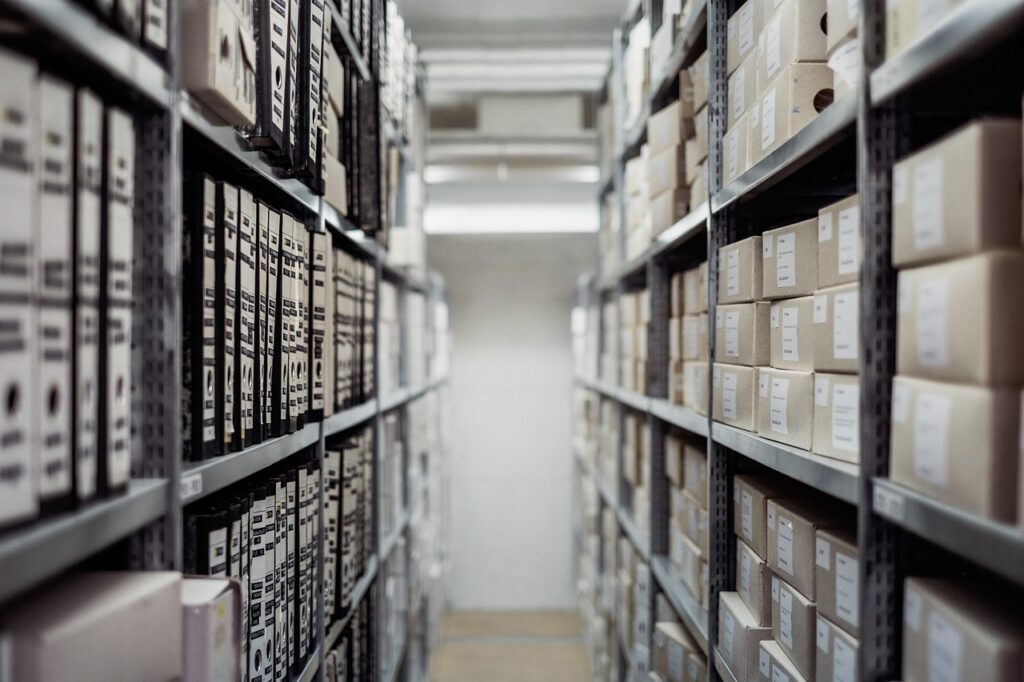
Every warehouse manager has had the same moment: standing in an empty aisle at the end of the day, lights blazing overhead for no one, wondering how much of the energy bill is just paying to illuminate stock. Add a maintenance team that’s constantly chasing staff to switch things off, no real sense of which zones actually cost the most to run, and a power bill that keeps creeping up regardless — and it’s easy to see why more operators are asking whether smart lighting and automation are a genuine investment, or just another piece of tech sold on a slick brochure.
This guide skips the sales pitch. It’s a straightforward look at what automation actually does on a warehouse floor, what it realistically costs to put in, and how to work out whether the numbers stack up for your specific site.
What Is Smart Lighting & Automation for Warehouses?
Smart lighting isn’t one single product — it’s a combination of sensors, controls, and software working together so lights respond to what’s actually happening in the building, instead of running on a dumb on/off switch or a timer that doesn’t know today’s a quiet Tuesday.
In practice, that means a handful of components working in tandem: motion and occupancy sensors that detect when a forklift or a person enters an aisle, daylight sensors that dim fixtures near skylights or loading dock doors when there’s enough natural light, zoning that lets you control racking aisles, dock areas, and office space independently rather than as one giant circuit, and scheduling that ties lighting to shift patterns so nothing burns overnight in an empty building. Layer energy-efficient lighting fixtures underneath all of that — modern LEDs rather than ageing fluorescent or metal halide fittings — and you’ve got a system that’s doing far more than just “turning on when it’s dark.”
The Real Cost of Outdated Warehouse Lighting
Most warehouses running on older lighting aren’t failing dramatically — they’re just quietly bleeding money in ways nobody’s tracking. Fluorescent tubes and metal halide high-bays draw considerably more power for the same light output, and they degrade faster, meaning more frequent replacement and more ladder time for maintenance staff.
Then there’s the human factor. Manual switching means lights get left on in unused zones for hours, because nobody’s job is to walk the site turning things off. Staff waste real labour time flicking banks of switches at shift changes, and without any kind of monitoring, there’s no visibility into which zones are actually costing the most to run. You can’t fix what you can’t see, and a lot of sites are essentially flying blind on their own lighting spend. Swapping to modern industrial lighting is usually the first real step toward closing that gap, simply because it replaces guesswork with fixtures and controls that report back on how they’re actually being used.
How Motion-Activated LED Controls Cut Energy Waste
At the simplest end of automation sits LED Warehouse Lighting with Motion Sensors, and it’s worth understanding on its own before adding anything more complex. A sensor mounted near each fixture or zone detects movement — a person walking through, a forklift turning down an aisle — and brings the lights up to full brightness for a set period before dimming or switching off again once the area’s clear. Swapping old high-bays for industrial LED lighting fitted this way is usually the single easiest upgrade a warehouse can make.
This alone solves the single biggest source of waste in most warehouses: light running in aisles nobody’s standing in. If you’re researching the best LED lights for warehouse applications, look for high-lumen, low-wattage fixtures with a wide beam spread for open floor space, and dedicated industrial LED spotlights for targeted areas like loading docks, inspection benches, or narrow picking aisles where directional light matters more than broad coverage. Paired correctly, sensor-driven LEDs typically cut lighting energy use by roughly half to three-quarters compared with older fittings running continuously, before you even add zoning or dimming on top.
Smarter Zoning and Dimming with DALI Control
Motion sensors solve the “on when nobody’s there” problem. The next step up solves a different one: giving you more granular control over the whole site and making future zoning changes easier.
That’s where DALI comes in — a digital protocol that gives each individual fitting its own address, rather than wiring groups of lights to a single dumb circuit. For appropriately configured DALI installations, changes to lighting zones can often be managed through the control system rather than requiring major rewiring. DALI lighting control systems let you dim by zone, schedule by shift, and pull real-time data on energy use and lamp health, which is genuinely useful information if you’re trying to work out where your lighting budget is actually going rather than guessing. For warehouses with layouts that shift as racking or workflows change, that flexibility tends to matter more than it sounds like on paper.
Is Automation Worth It? Payback Period vs Energy Savings
This is the question that actually matters, and the honest answer is: it depends on your site, not on a generic industry average. Three things determine whether automation pencils out.
First, energy savings. LEDs alone typically cut lighting energy consumption by 50–75% over fluorescent or metal halide fittings. Motion sensors add a further 20–30% on top of that by eliminating waste in unused zones, and daylight harvesting can contribute up to another 40% in areas with decent natural light. Combining LED upgrades with occupancy controls and daylight harvesting can significantly reduce lighting energy use, although the actual savings depend on the existing lighting system, operating hours and how the warehouse is used.
Second, payback period. Most combined LED-plus-sensor retrofits pay for themselves within two to four years for standard single-shift operations, with high-usage 24/7 sites sometimes recovering costs in as little as twelve to eighteen months simply because the lights are running — and therefore saving — for so many more hours a day.
Illustrative example: How the Math Works on Floor Level
The following is an illustrative example only. Actual savings will vary depending on electricity rates, operating hours, fixture count, existing lighting, sensor settings and installation costs. To see how this could play out in practice, consider a hypothetical 2,500 m² distribution site running two shifts a day with older 400W metal halide high-bays.
- Standard Continuous Baseline: Leaving high-bays burning continuously across all racking aisles could result in annual lighting power costs of around $22,000 to $28,000, depending on electricity rates and operating hours.
- Smart Motion & LED Upgrade: Upgrading to high-efficiency LED fittings with occupancy sensors could reduce active wattage per fixture to around 120W. If sensors keep low-traffic aisles dimmed or off for part of the shift, annual lighting costs could fall to around $5,000 to $7,000.
- The Result: Based on these assumptions, the potential annual power savings could be in the range of $15,000 to $23,000. The actual payback period would then depend on the total cost of the fittings, controls, installation and any required electrical work.
Third, and most often overlooked: operational fit. A site running three shifts with constant movement through every aisle won’t see the same savings from motion sensors as a site that’s quiet for long stretches overnight. Existing wiring also matters — a building already wired for zone-based control is a cheaper retrofit than one running everything off a handful of shared circuits. Weighing all three factors together, rather than fixating on the sticker price of new fittings, is what actually tells you whether automation is worth it for your building.
Do You Need an Electrical Upgrade First?
Sometimes, yes — and it’s worth knowing this before you get quotes for fittings alone. Older switchboards weren’t built with today’s loads in mind, and a building still wired on shared circuits with no separate zoning can’t take full advantage of sensor-driven or DALI-based control without some rewiring first.
Rather than treating this as a single expensive overhaul, most sites are better served by a phased approach: address any safety or compliance issues first, then tackle the electrical upgrades for businesses that unlock genuine energy savings, and leave larger infrastructure investments like solar or battery storage for later once the lighting side is paying for itself. An electrician who actually walks your site before quoting will tell you fairly quickly whether your existing wiring can support automation as-is, or whether it needs attention first.
Get a Warehouse Lighting Assessment from LME Electrical
None of the numbers above mean much until they’re checked against your actual site — your shift patterns, your existing wiring, and which zones genuinely sit empty for hours at a time. That’s a conversation worth having before committing to any warehouse lighting solutions, automated or otherwise.
If you’re comparing quotes from industrial electrical contractors in North Sydney, it’s worth asking each one to walk the site with you rather than quoting from a floor plan alone — zoning decisions and sensor placement are only as good as the person who actually understands how your warehouse runs day to day. A proper assessment will tell you where the easy wins sit, what payback period to realistically expect, and whether your switchboard needs attention before any of it goes in.
FAQs
Is smart lighting worth it for a small warehouse? Often, yes, though the savings scale with usage hours and floor area. Smaller sites still waste energy lighting empty aisles and still pay staff to manually flick switches, so even a modest sensor-based retrofit can produce a noticeable drop in running costs. The key is matching the scope of the upgrade to the size of the site rather than over-specifying a system built for a much larger operation.
How much do LED warehouse lights with motion sensors cost to install? Costs vary widely depending on the number of fittings, existing wiring, and site accessibility, so it’s best treated as a per-site quote rather than a fixed figure. Broadly, expect the fittings and sensors themselves to be a modest add-on over standard LED costs, with the bigger cost variable being how much of the existing wiring can be reused versus replaced.
What’s the difference between DALI and standard LED lighting? Standard LED lighting is simply a more efficient light source — it still typically runs on basic on/off or grouped-circuit control unless paired with additional sensors. DALI is a control protocol layered on top of LED fittings that gives each fixture its own digital address, enabling individual dimming, zoning, and monitoring that a standard wiring setup can’t offer without extra hardware.
Do I need an electrical upgrade before installing smart lighting? Not always, but it depends on your existing switchboard capacity and wiring layout. Buildings already split into separate circuits per zone are usually ready for sensor or DALI retrofits with minimal extra work, while sites running on older, shared circuits may need some rewiring or a switchboard upgrade first to get the full benefit.
How much can businesses save with automated warehouse lighting? Combined LED and sensor retrofits commonly cut total lighting energy spend by 60–90% compared with older fluorescent or metal halide setups, though the exact figure depends on how many hours the site operates and how much of that time aisles sit empty. Sites with long overnight or low-traffic periods tend to see the biggest gains from motion-sensor zoning specifically.
How often does automated lighting need maintenance? Automated systems still need periodic checks, though generally less often than older lighting since LEDs last far longer than fluorescent tubes. Scheduling this as part of routine industrial electrical maintenance — checking sensor calibration, control software, and switchboard health — catches small issues before they turn into an outage or a safety compliance problem.