
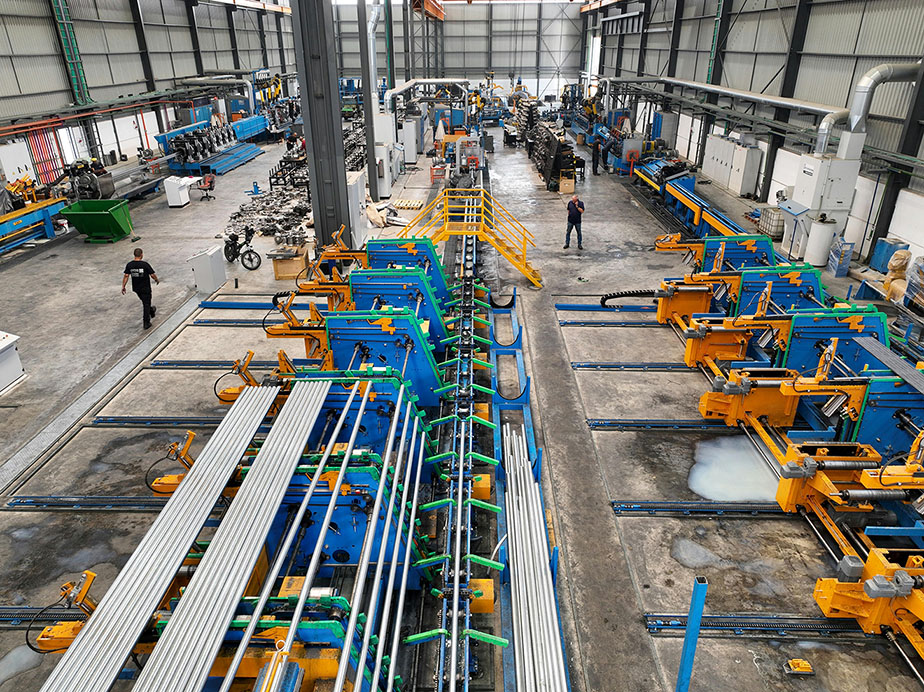
Industrial sites depend on electricity every single day. From high-speed production lines and heavy machinery to lighting and critical safety systems, power is the heartbeat of the operation. When electrical systems fail, the impact is often immediate, far-reaching, and expensive.
Rather than reacting to faults as they occur, a preventative maintenance strategy focuses on identifying minor vulnerabilities before they escalate into catastrophic failures. This proactive approach is the most effective way to protect your equipment, your people, and your bottom line.
Reducing Downtime and Costly Interruptions
Unplanned shutdowns are one of the greatest risks in any industrial setting. A single electrical fault can halt an entire production line, resulting in missed deadlines, idle labour, and lost revenue. Most major failures don’t happen overnight; they start as small issues like loose connections, worn insulation, or excessive heat buildup.
Regularly scheduled inspections allow you to spot these early warning signs. By coordinating with industrial electrical maintenance services to perform checks during planned downtime, businesses avoid the chaos of sudden outages and the premium costs associated with emergency repairs.
Improving Workplace Safety
In an industrial environment, electrical safety is not just a compliance requirement—it is a moral and legal necessity. Faulty wiring, overloaded circuits, or aged components can lead to arc flashes, electric shocks, or fires.
Preventative maintenance mitigates these risks by ensuring all systems operate within their engineered limits. Beyond routine inspections, adhering to established industrial electrical safety tips—such as maintaining clear access to panels and enforcing strict Lockout/Tagout (LOTO) protocols—helps maintain a safer worksite for every employee.
Extending Equipment Life
Industrial electrical infrastructure—including switchboards, motors, and control systems—represents a significant capital investment. While these components are built for heavy-duty use, environmental factors can drastically shorten their lifespan.
Industrial circuit breakers, for example, are critical safety components that must remain in peak condition. If a breaker is seized by dust or corrosion, it may fail to trip during a fault, leading to catastrophic damage to the very machinery it was designed to protect. Regular care ensures these components respond correctly under pressure.
Routine maintenance prevents premature failure by addressing:
- Accumulated Dust: Which can cause overheating and tracking.
- Vibration: Which gradually loosens critical terminal connections.
- Heat & Moisture: Accelerates the degradation of insulation, especially in high-humidity or coastal environments.
Preventative care reduces the mechanical and thermal stress on your hardware. Simple tasks like cleaning, tightening, and testing parts ensure they function as intended for years longer, providing a far better return on investment and delaying expensive system replacements.
Identifying Hidden Issues Early
Many of the most dangerous electrical faults are invisible to the naked eye. A system may appear to be running normally while a hidden “hot spot” develops inside a switchboard or an uneven load begins to strain a transformer.
Routine electrical testing and inspection can uncover these hidden problems. Modern diagnostic tools have changed the game for industrial maintenance. Techniques such as:
- Thermal Imaging: Detecting heat signatures that indicate high-resistance connections.
- Load Testing: Ensuring the system can handle peak demand without failing.
- Power Quality Analysis: Identifying voltage drops or “dirty power” that can damage sensitive electronics.
Early detection is one of the strongest benefits of preventative care.
Managing Common Industrial Electrical Risks
Industrial sites face unique pressures due to high energy loads and 24/7 operating cycles. A structured maintenance program is specifically designed to address common electrical problems in industries, such as aging infrastructure and circuit overloads. By reviewing system performance on a set schedule, facility managers gain better control over their operational risks rather than being at the mercy of their equipment. This structured approach supports long-term reliability and safer daily operations.
Supporting a Stable Power Supply
Consistency is key to quality control. Fluctuations in power can disrupt automated processes and damage the sensitive PLCs (Programmable Logic Controllers) that run modern production lines. Preventative maintenance ensures a stable and balanced industrial electrical supply. This is especially critical as facilities expand or upgrade; a regular audit ensures your existing infrastructure can safely support your growing power needs.
Planning for Long-Term Solutions
Preventative maintenance provides more than just immediate fixes—it provides data. Maintenance reports offer a window into the health of your system, helping you plan for future upgrades or system changes with confidence.
For companies partnering with experienced providers of industrial electrical services in Sydney, this data becomes a strategic asset. It allows for the development of tailored industrial electrical problems and solutions that fit the specific needs and goals of the site.
When to Seek Professional Support
Industrial electrical systems require a level of expertise far beyond standard commercial work. Partnering with qualified professionals ensures that your maintenance is thorough, compliant with current Australian Standards, and effective.
If your systems are overdue for an inspection or are showing subtle signs of stress, such as buzzing sounds or unusual heat, it is time to take action. Contacting a specialist electrician in Balgowlah for a comprehensive system audit can help you transition from a reactive “break-fix” cycle to a streamlined, preventative model.